
How Sitton Custom Homes Creates an Ecosystem Where Great Partners Produce Exceptional Results
A Partnership Case Study by Mike Haytack Digital Imagery
Beautiful custom homes may be the finished product, but they are rarely the work of a single person or company.
Behind every thoughtfully designed space is a network of people making hundreds of decisions — builder, residential designer, interior designer, real estate professional, cabinetry and millwork specialists, craftsmen, suppliers, and ultimately the creative professionals responsible for documenting and sharing the finished work.
When those people simply perform their individual jobs, a home gets built.
When they trust one another, communicate openly, and respect what each person brings to the table, something different happens.
An ecosystem develops.
That is the story behind George Sitton and Sitton Custom Homes.
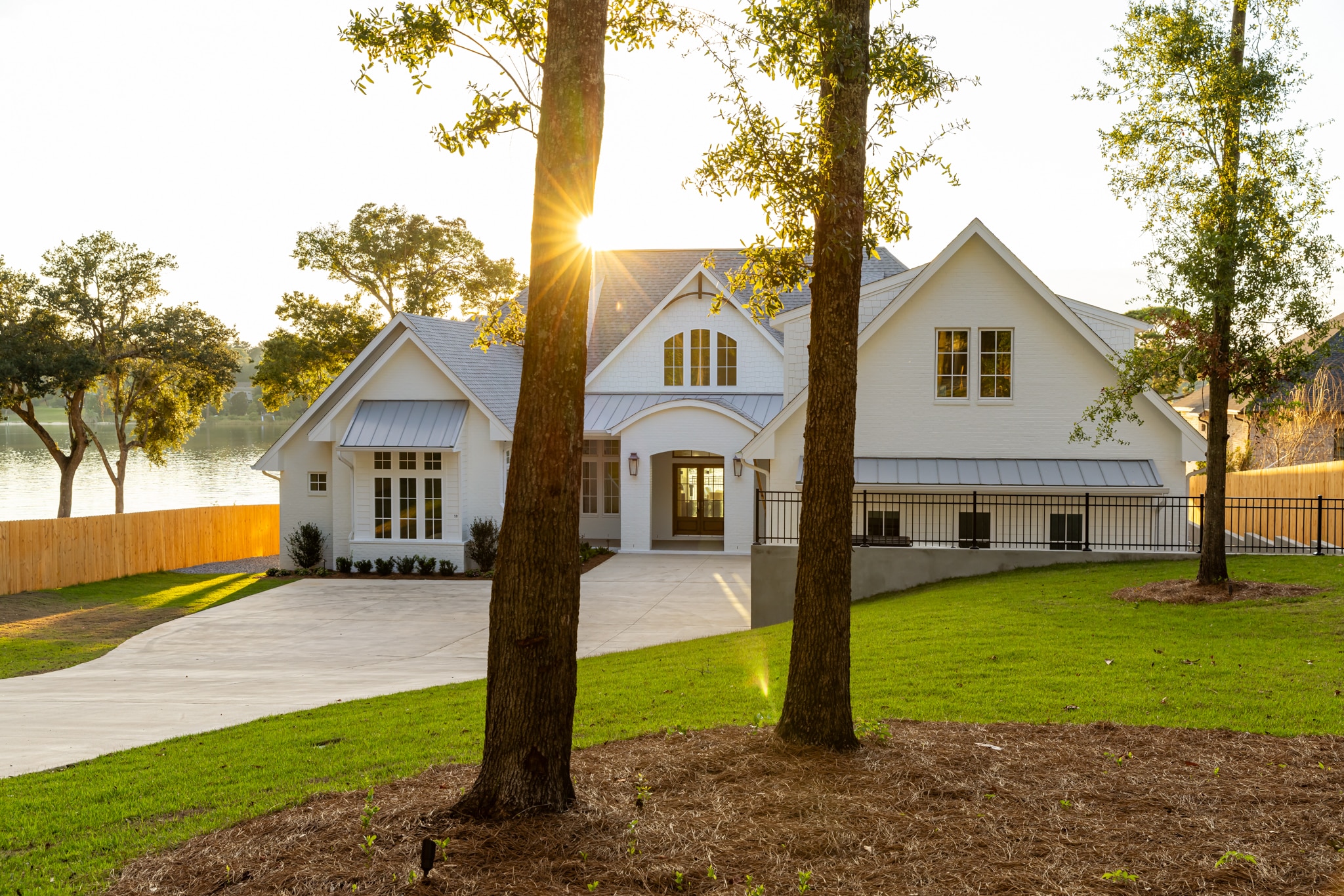
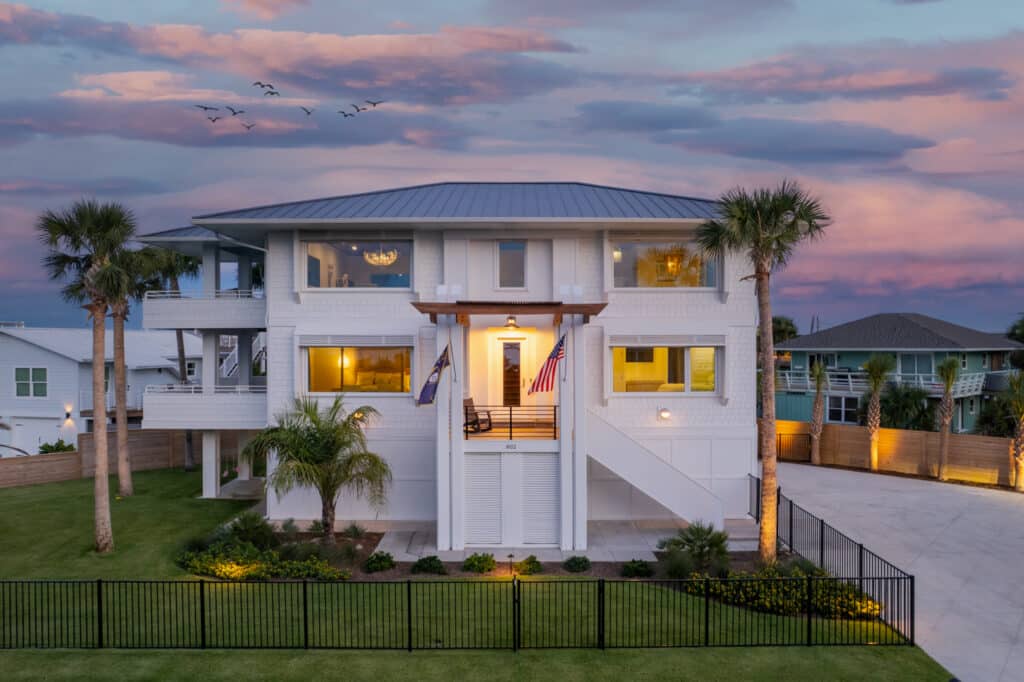
Over multiple projects along the Pensacola and Florida Gulf Coast, I’ve had the opportunity to photograph the finished work created by this group. From my position at the end of the process, I get a unique perspective: I see how dozens of individual decisions eventually come together in the finished home.
The more I’ve worked alongside this team, the more I’ve realized that the photography isn’t documenting the work of one company.
It’s documenting what happens when talented people are given the opportunity to do their best work together.
The Idea
The Right People Around the Project
For George Sitton, collaboration begins well before construction.
It starts by putting the right people around the table.
Instead of expecting one person or company to have every answer, the Sitton Custom Homes approach is built around identifying talented professionals, establishing a high standard, and then trusting those people to bring their expertise to the project.
George explains it this way:
“From my perspective, one of my biggest responsibilities as the builder is putting the right people around a project from the beginning. I’ve always believed the quality of the finished home is directly tied to the quality of the people involved, so I’ve been very intentional about building relationships with professionals I trust, respect, and know will bring the same level of care to a project that I do.
As the builder, I’m responsible for setting that standard, keeping everyone moving toward the same vision, and ultimately making sure all of those individual pieces come together in the finished home. But good leadership also means knowing when to rely on the people around you. I don’t want to be the expert in every area — I want to surround myself with people who are.”
That distinction matters.
The builder remains responsible for the whole, but doesn’t need to control every individual part.
Instead, leadership becomes the ability to establish the vision, assemble the right people, and create the conditions that allow them to succeed.
The Ecosystem
Different Expertise. One Shared Standard.
Each person within the Sitton Custom Homes ecosystem occupies a different lane.
- George leads the building process.
- Baron brings the architectural and residential design vision.
- Natasha shapes the interiors.
- Katie connects design, construction, clients, real estate, and the market.
- STILE brings specialized cabinetry and millwork expertise.
My role begins toward the end — translating all of that work into architectural imagery that communicates what everyone collectively created.
As George describes it:
“That’s what makes this group work so well. Baron brings the architectural vision, Natasha brings the interiors together, Katie brings the real estate, design, client and market perspective, STILE brings the cabinetry and millwork expertise, and Mike captures the finished product in a way that tells the story of everyone’s work.”
The roles are different, but the standard is shared.
And importantly, expertise is respected rather than competed over.
Design Through Collaboration
BNCreative | Baron
Great residential design has to accomplish more than looking good on paper.
A home has to respond to the people who will live there, translate successfully into construction, and continue feeling relevant years after it is completed.
For Baron, collaboration strengthens that process.
“Great design is never the result of one person — it is the result of a team that trusts each other’s expertise. Our success comes from collaborating rather than competing, allowing every professional to focus on what they do best.
This partnership enables me to create homes that are not only beautiful, but thoughtfully tailored to the way our clients live. Working alongside an experienced builder has also accelerated my growth as a designer. Every custom home provides valuable insight into what homeowners truly value, allowing us to continuously refine our process and deliver architecture that is timeless, functional, and deeply personal.”
That idea — collaborating rather than competing — may be one of the clearest explanations for why this ecosystem works.
The exchange of knowledge doesn’t diminish anyone’s role.
It strengthens it.
Each completed home informs the next one, allowing the entire group to continually improve.
Creative Freedom Built on Trust
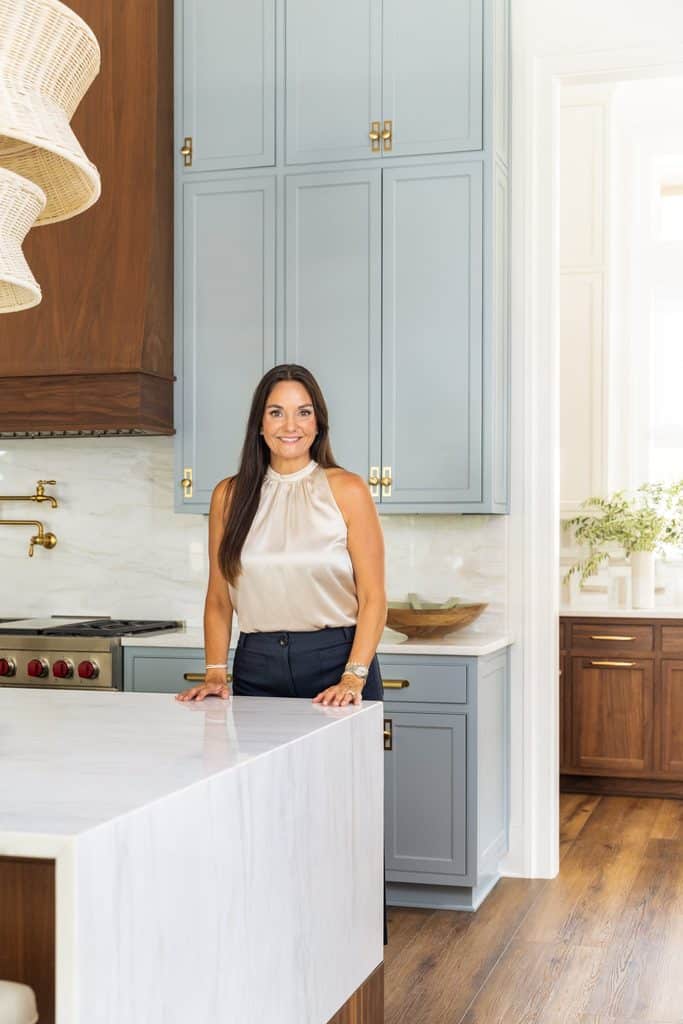
Linenwood Home | Natasha Williams
Trust also changes the interior design process.
Instead of bringing an interior designer into a tightly controlled environment, George gives the professionals around him room to contribute ideas, challenge assumptions, and push their own creativity — while maintaining the overall standard associated with Sitton Custom Homes.
For Natasha Williams of Linenwood Home, that freedom is an important part of the relationship:
“It really boils down to the trust George — and his team — places in us. George allows each of us to do what we do best, while still providing guidance to make sure everything reflects the SCH quality and look.
Personally, I feel like that level of trust really gives me the freedom to do what I do best. It also allows me to push myself creatively and bring new ideas to the table. I think when everyone can thrive in their own area of expertise, it makes for a beautiful and well-executed home.”
That balance between creative freedom and a shared standard is important.
The goal isn’t for every contributor to think alike.
It’s for everyone to bring their individual expertise to a project while understanding what the team is collectively trying to accomplish.
Connecting Design, Client and Market
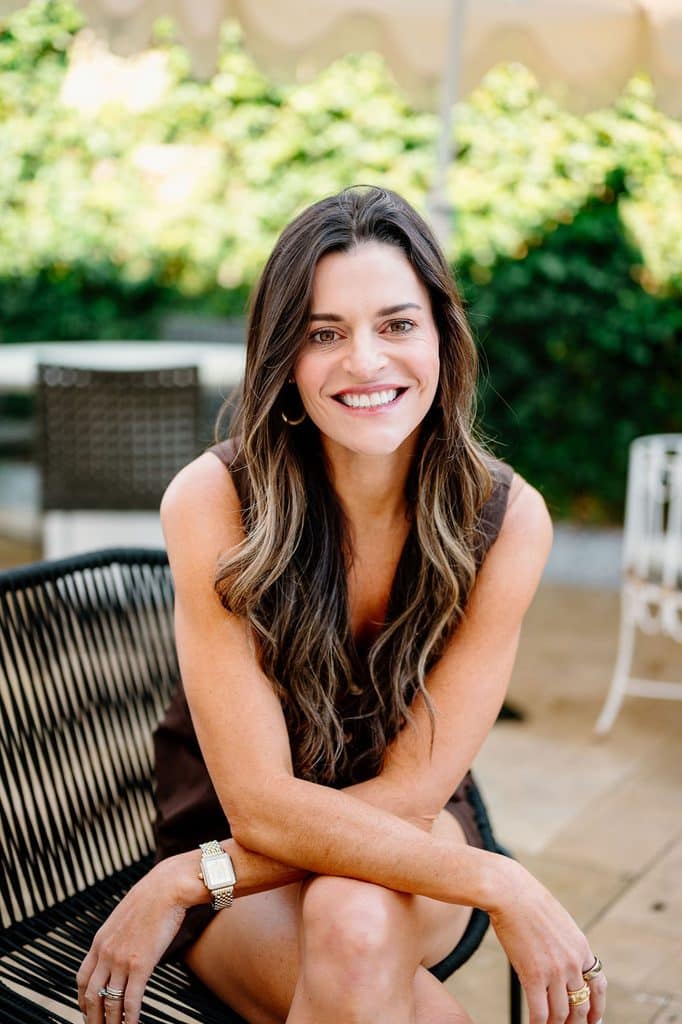
Happy Haven Homes | Katie Gross
One of the strengths of a collaborative ecosystem is that perspective can come from outside traditional construction roles.
Katie Gross brings a particularly broad viewpoint because she sees these homes through the lens of real estate, design, new construction, client experience, marketability, and long-term value.
“I think for me, what I bring to the group is that I’m able to look at these projects from a few different angles. Obviously real estate is a big part of what I do, but with my background in design and new construction, I’m also looking at the home from a design standpoint, what buyers are looking for, what adds value, how it’s going to live, and ultimately how it’s going to be marketed and sold.
I also feel like I’m a little bit of a connector between all of those pieces. I’m working with buyers and sellers every day, so I can bring that real-time market perspective back to the team while also understanding the design and construction side enough to have meaningful input throughout the process.”
That creates an important bridge between the creative vision and the people who will ultimately experience the home.
Katie continues:
“That’s really what I love about the ecosystem George has created. Everyone has their own lane and expertise, but we all work well together and respect what each person brings to the table. I think my value is being able to bridge the gap between design, construction, the client, and the market — and help make sure we’re not just creating a beautiful home, but one that lives well, feels intentional, and has lasting value.”
A successful custom home can’t simply photograph well.
It needs to live well.
And bringing the client’s and market’s perspective into the process helps connect those two objectives.
Craftsmanship with a Seat at the Table
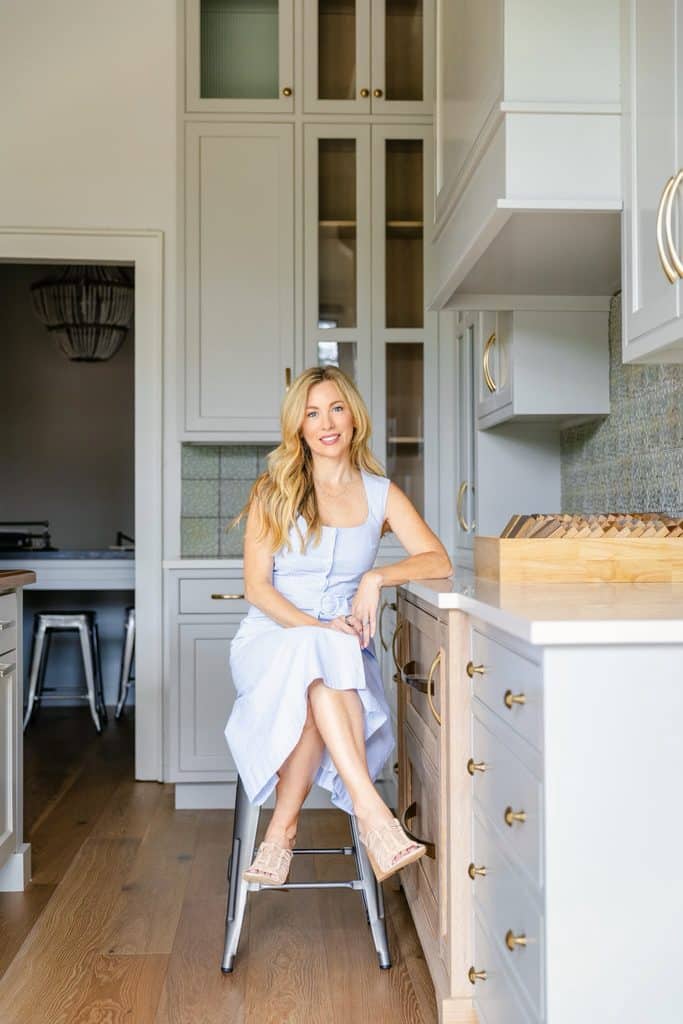
STILE Cabinetry | Megan Cazier
Cabinetry and millwork are where architecture, interiors, craftsmanship, and daily function often intersect.
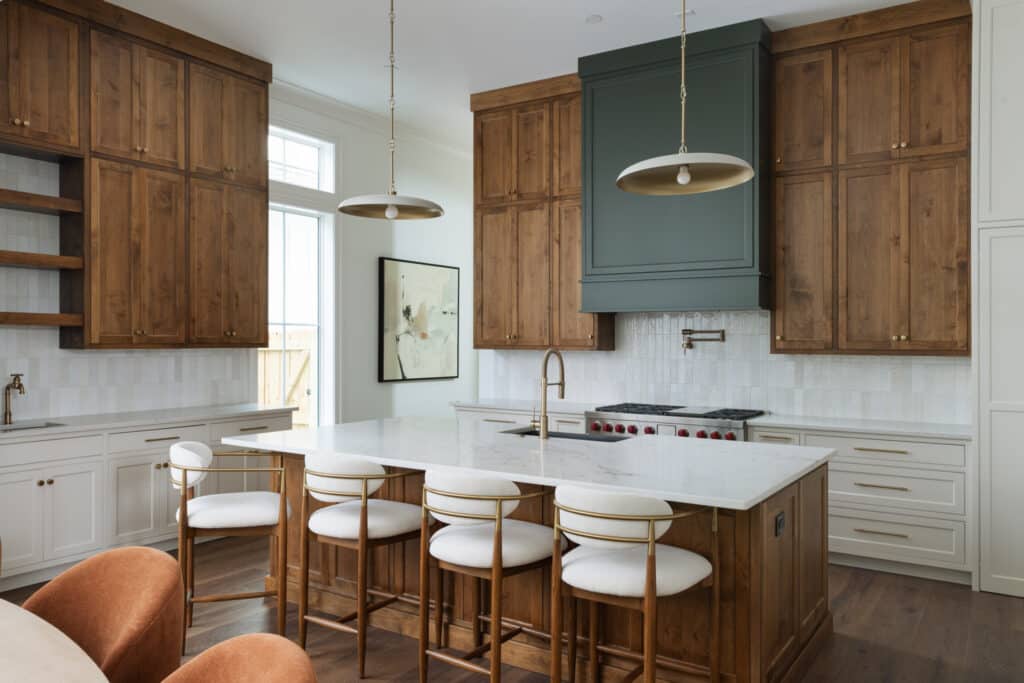
Kitchens, bathrooms, built-ins, storage, and specialty millwork aren’t simply finishing touches. They become some of the most used — and most visually defining — elements of a home.
For Megan and STILE Cabinetry, the collaborative environment allows that specialized expertise to become part of the larger creative process.
“George has a unique ability to bring together talented people who genuinely enjoy working as a team. He creates an environment where everyone’s strengths are valued, and that makes my job not only seamless but truly fun.
I’m able to be creative in my craft, knowing there’s trust and collaboration behind every decision. That shared commitment to excellence and enjoyment of the process is what allows Sitton Custom Homes to consistently deliver exceptional, high-end homes.”
There’s an important word in Megan’s statement that can easily be overlooked:
Fun.
The best professional relationships aren’t only productive.
People actually want to work together again.
That creates continuity from project to project, deeper trust, better communication, and an increasingly intuitive understanding of what everyone is trying to accomplish.
Everyone has their own lane, but no one is working in a silo.
–George Sitton
George describes the dynamic simply:
“My role is really to lead that process and create an environment where everyone can do their best work. We’ve worked together enough that there’s trust, open communication, and a shared understanding of the level we’re trying to achieve. Everyone has their own lane, but no one is working in a silo.”
That may be the defining principle behind the entire ecosystem.
Everyone has a lane. No one works in a silo.
Specialization remains important. But so does understanding how one person’s decisions affect everyone else’s work.
- Architecture influences interiors.
- Interiors influence cabinetry.
- Construction decisions influence design.
- Market knowledge influences functionality.
- Craftsmanship influences perception.
And ultimately, all of it influences how the finished home is experienced.
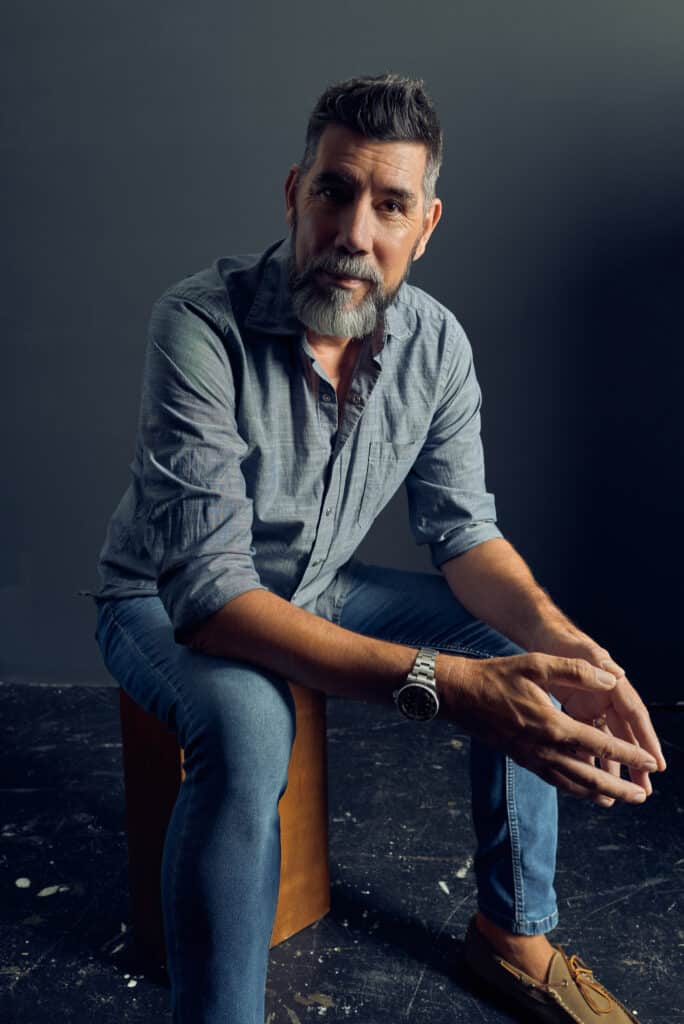
The Final Story
Mike Haytack Digital Imagery
My involvement typically comes near the end of that process.
By the time I arrive with a camera, months — or sometimes years — of work have already taken place.
That’s why I don’t view architectural photography as simply photographing rooms.
I’m documenting decisions.
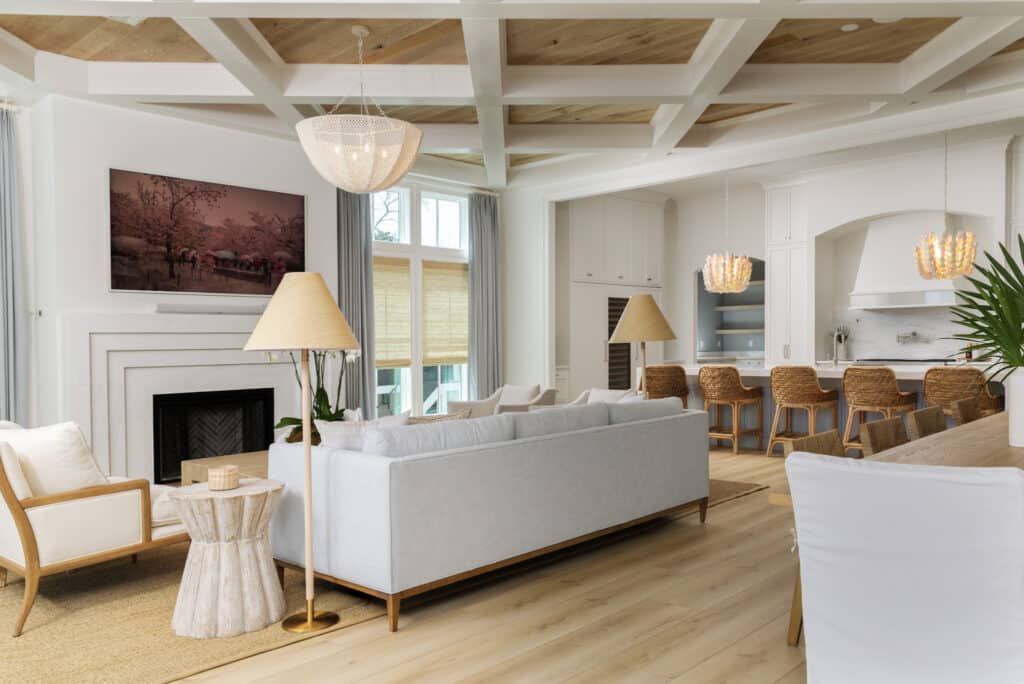
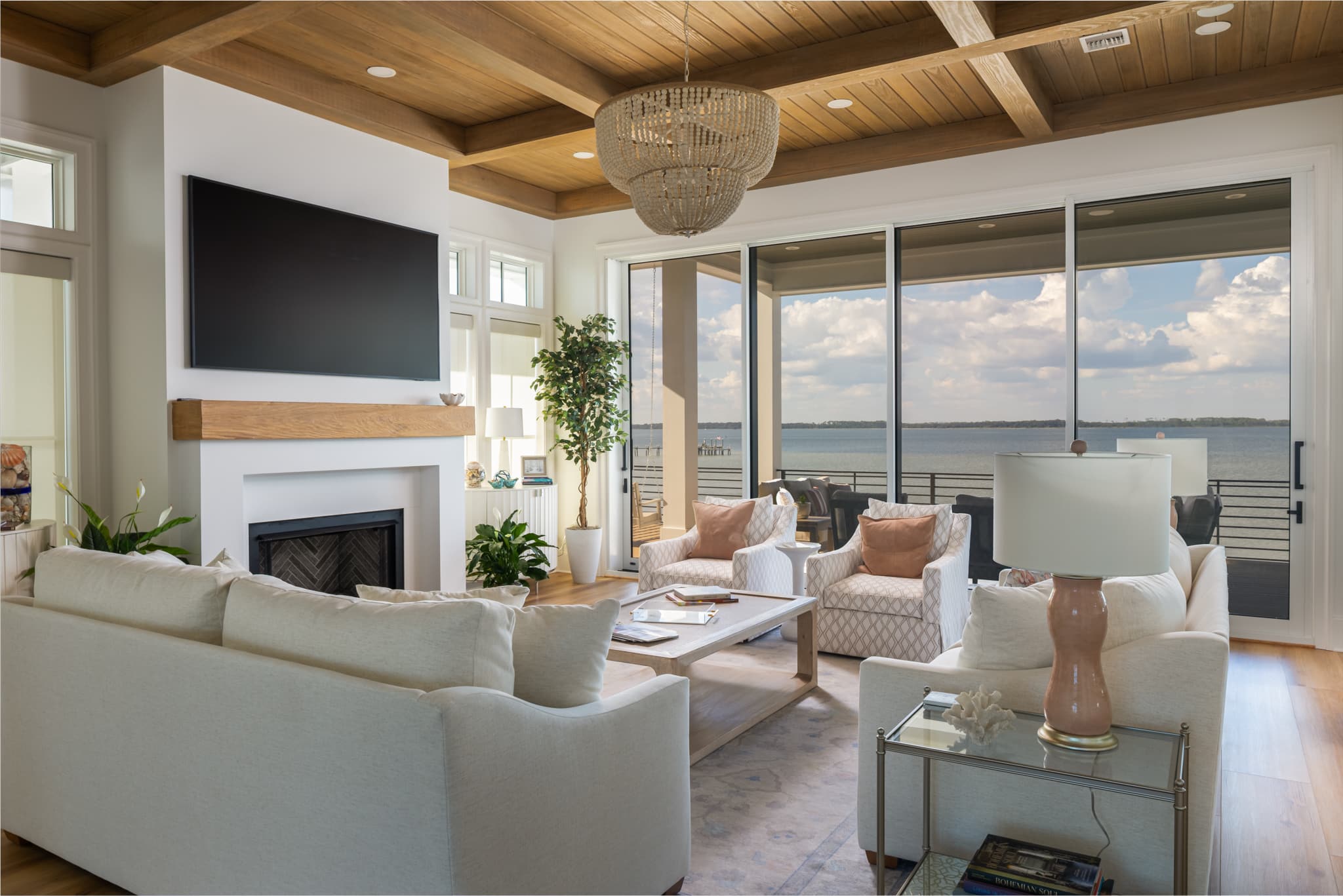
A composition might simultaneously contain Baron’s architectural vision, George’s execution, Natasha’s interior design, STILE’s cabinetry and millwork, the craftsmanship of numerous additional trades, and details shaped by conversations that happened months before I ever walked through the door.
My responsibility is to bring those elements together visually and create imagery worthy of the work that went into them.
The finished photographs then become another part of the ecosystem.
- They help Sitton Custom Homes communicate the quality of its work.
- They give designers and trade partners professional imagery for their portfolios.
- They help Katie communicate the value and story of the property.
- They give everyone involved something tangible to share, promote, and build upon.
The value of one project begins extending into the next.
Katie describes that final stage well:
“And then on the back end, I think there’s a lot of value in how we all help tell the story of the finished product. Between the design, craftsmanship, photography, marketing, and real estate side, we’re all helping elevate each other’s work and ultimately creating more opportunities for everyone involved.”
That is where documentation becomes more than documentation.
The finished imagery becomes a shared storytelling tool for the ecosystem that created it.
Why the Model Works
Trust Creates Better Work
When people know their expertise is respected, they’re more willing to bring ideas forward.
- They take ownership.
- They communicate.
- They push creatively.
And they become invested in more than simply completing their portion of the job.
Familiarity Creates Efficiency
Repeated collaboration builds institutional knowledge.
The team learns how each other communicates, what standards are expected, where problems typically emerge, and when another partner’s expertise should be brought into a conversation.
Less energy is spent figuring out how to work together.
More energy goes toward the work itself.
Different Perspectives Create Better Decisions
- Builder.
- Designer.
- Interior designer.
- Real estate professional.
- Cabinetry specialist.
- Photographer.
Each sees the home differently.
That diversity of perspective can expose opportunities a single discipline might miss — and ultimately creates a home that is stronger architecturally, functionally, aesthetically, and commercially.
Success Creates More Success
A successful project strengthens every participant’s portfolio.
Professional photography allows that work to be shared.
- Sharing creates visibility.
- Visibility creates referrals.
- Referrals create future projects.
And those projects bring the ecosystem together again.
It’s a cycle where everyone’s success has the potential to create opportunity for everyone else.
Everyone Wins
For the homeowner, the benefit is a more cohesive home and a team of professionals working toward the same goal.
For the builder, it’s trusted expertise and a consistent standard across projects.
For designers, it’s the freedom to create within an environment that respects their contribution.
For trade partners, it’s an opportunity for craftsmanship to become part of the larger story rather than disappear behind the finished project.
For real estate and marketing, it’s a home whose value, design, and story can be clearly communicated.
And for me as the photographer, it’s the opportunity to create imagery with context — photographs that aren’t simply beautiful, but actually mean something to the people who made the spaces possible.
The Result is Bigger than the House
George’s final thought brings the story back to where it started:
“At the end of the day, my name is on the home and I take that responsibility seriously. But I also know that the best homes we build are the result of a lot of talented people working toward the same goal.
When you put the right team together, set a high standard, and give people the opportunity to bring their expertise to the table, the end product is better—and everyone involved benefits from it.”
That’s the ecosystem.
- Not a collection of vendors.
- Not a list of subcontractors.
- Not individual companies protecting their piece of the project.
It’s a group of professionals with different specialties, connected by trust, respect, shared standards, and the understanding that doing great work together creates opportunities that extend well beyond a single home.
Build the right team. Trust their expertise. Create exceptional work. Tell the story well. And give everyone an opportunity to win.
Featured Partners
Sitton Custom Homes
Builder / Construction Leadership
Pensacola & Northwest Florida
BNCreative — Baron
Residential Design
Linenwood Home — Natasha Williams
Interior Design
Happy Haven Homes — Katie Gross
Real Estate / Design / Client & Market Perspective
STILE Cabinetry — Megan Cazier
Cabinetry & Millwork
Mike Haytack Digital Imagery
Architectural, Interior & Aerial Photography